


Louisiana’s Food & Wine Festival Introduces New Events For 2025
August 2025
Navigating the Fourth Trimester: Breastfeeding, Breast Care and Safe Sleep
August 2025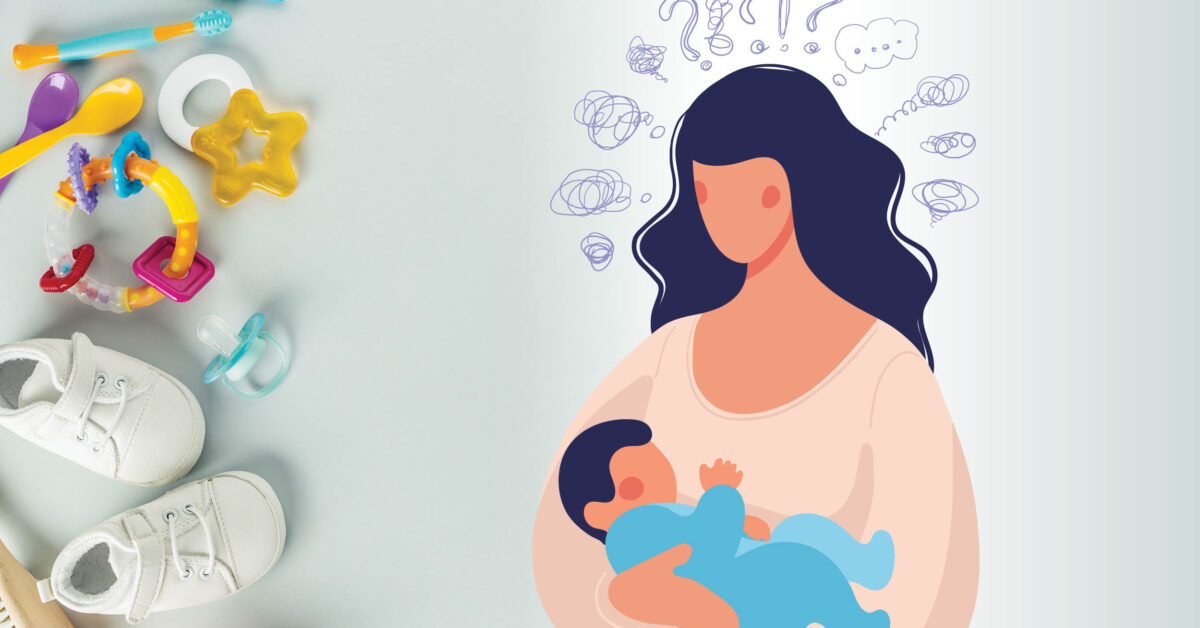
After a baby is born, pregnancy ends, but recovery is just beginning. The early postpartum period is sometimes referred to as the fourth trimester. As your body, brain and daily life continue to adjust, it’s a time of healing that deserves the same attention and care as any other stage of pregnancy.
“We often tell moms that the postpartum interval can last a year, not just six weeks,” says Dr. Bradley Forsyth, an OB/GYN with Lake Charles Memorial Health System. “Your body is changing rapidly, and it’s okay to not ‘bounce back’ immediately.”
Here’s what every new mother deserves to know about what’s next after delivery:
“Normal” doesn’t happen overnight . . . and that’s okay.
Your body just went through a marathon. Soreness, swelling, exhaustion and emotional highs and lows are all common. Healing doesn’t follow a linear path, and everyone’s body follows a different schedule.
Dr. Forsyth adds, “This is a major life transition, physically and emotionally. It’s not about getting back to ‘normal,’ it’s about finding your new rhythm.”
C-section vs. vaginal recovery: both are tough in different ways.
A C-section involves surgical healing that may include movement restrictions and incision care. Vaginal deliveries can involve stitches, uncomfortable pressure or tears that need time to heal. Neither path is “easy,” and both bring different challenges.
“You can’t compare your experience to someone else’s,” says Dr. Forsyth. “Both deserve time and support.”
Postpartum checkups matter more than you might think.
Each postpartum checkup is also a good opportunity for you to bring up any concerns or questions you have. That could be anything important to you, including:
• Concerns about how your body is healing, issues such as bleeding and questions about which discomforts are normal.
• Questions about resuming sex or choosing birth control options.
• Nutrition and sleep.
• Emotional well-being.
Bleeding and pain: what’s normal and what’s not.
Bleeding (called lochia) may last up to six weeks. Cramping, especially while breastfeeding, is also common. But if you notice heavy bleeding, large clots, intense pain or signs of infection, call your doctor.
Hormones are intense, but so are emotions.
Many women experience the “baby blues.” At a postpartum appointment, your physician may ask about how you’re feeling to screen for postpartum depression. Its warning signs include feeling sad, overwhelmed or like you don’t care for your baby. Feelings like this that last for more than two weeks are signs of depression. This is a common and treatable condition.
“It’s okay not to feel okay,” says Dr. Forsyth. “The important thing is to reach out to your doctor if you think you may be experiencing symptoms of postpartum depression so we can take steps to treat it early.”
The fourth trimester deserves follow-up.
The American College of Obstetricians and Gynecologists recommends ongoing care during the postpartum period, not just a single six-week visit. Consistent follow-up helps identify concerns early and provides mothers with the opportunity to ask questions, share their struggles and maintain their health.
Your provider will also help you manage any ongoing health issues from your pregnancy, like high blood pressure or gestational diabetes. These conditions may increase your risk for future health issues. But regular care during the fourth trimester can help you monitor and protect your health.
These unique challenges are all reasons you need to see your doctor regularly in the weeks after you have your baby, even if everything seems all right with your recovery. This fourth-trimester care is essential to help you stay healthy for you and your baby.