


Mother’s Day Spotlight: Community Mothers
May 2026
SOWELA In Need of Instructors With Industry Experience
May 2026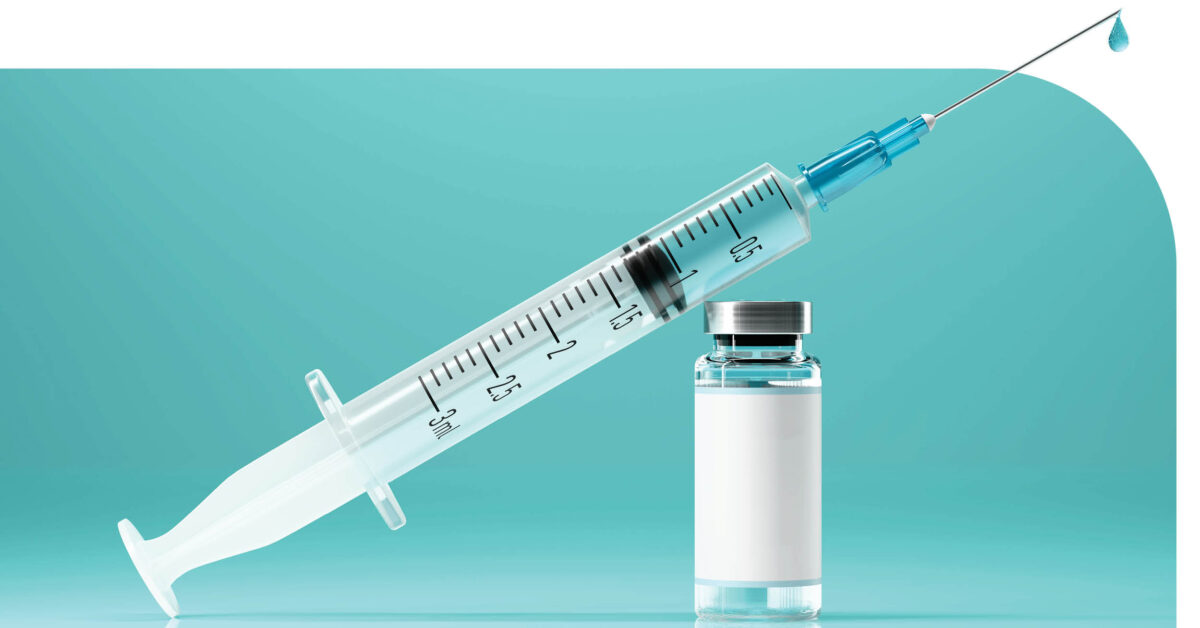
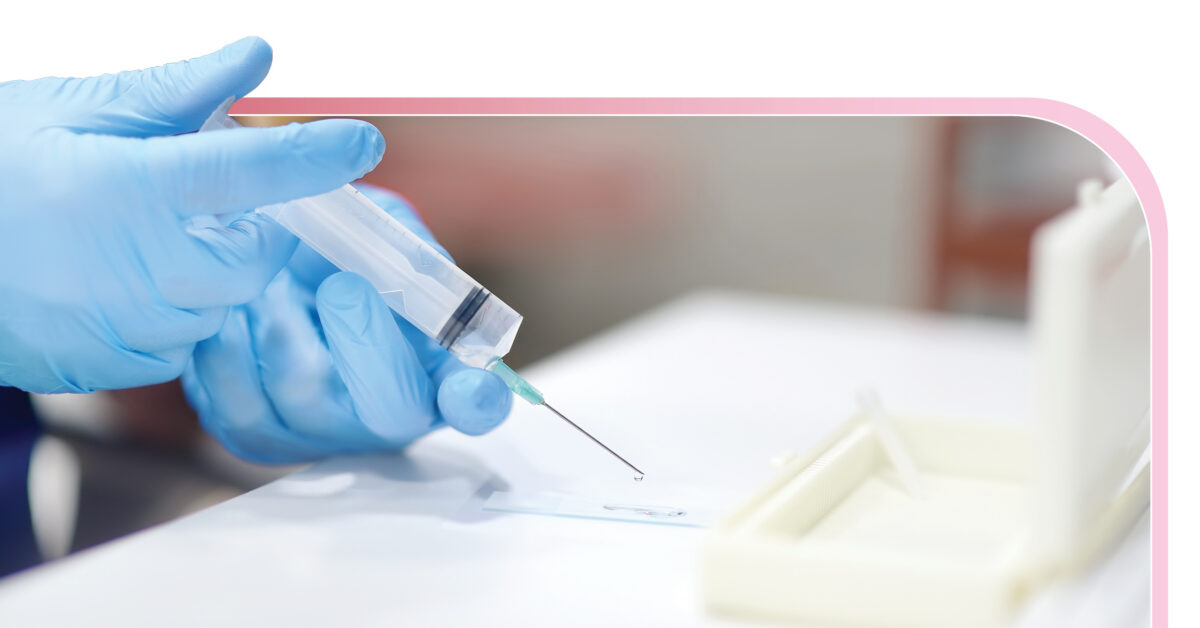
According to Dawn Hinton, APRN, AGPCNP-BC, MSCP, at Revitalized Health, peptide therapy is an exciting advancement in anti-aging and wellness medicine. These targeted therapies can address a variety of concerns and work synergistically to support your body’s natural healing processes.
Peptides are small chains of amino acids, which are the same basic building blocks that make up proteins in the body. Because peptides are smaller than proteins, they can communicate quickly and clearly with cells, telling the body what to do. Peptide therapy uses specific peptides to help the body do its jobs more efficiently.
How Do We Naturally Get Peptides?
1. From the Food We Eat
When we eat protein rich foods such as meat, fish, eggs, dairy, beans or legumes, the digestive system breaks those proteins down into smaller pieces, including into peptides and individual amino acids. These smaller pieces are absorbed through the gut and then used by the body to build and repair tissues, make hormones and support everyday functions.
2. Made Naturally Inside the Body
The body also produces its own peptides naturally. Many important messengers such as insulin, digestive enzymes, immune signals and growth-related compounds are all natural peptides.
Does Aging Affect Peptides and Absorption?
Aging can affect both how well we absorb nutrients and how many natural peptides the body produces, but this happens gradually.
As we get older, stomach acid and digestive enzyme production may decrease, protein digestion can become less efficient, and the gut lining and absorption mechanisms may not work as effectively as in younger years. These changes can make it harder for the body to fully break down protein into usable peptides and amino acids.
Changes in Natural Peptide and Hormone Production
Aging also affects how many signaling molecules the body naturally produces. Over time, growth-related peptides tend to decline, collagen stimulating signals decrease, and the body’s repair and regeneration processes become less active.
This is a normal part of aging and helps explain common changes such as slower recovery, reduced muscle tone, thinner skin and lower energy levels over time.
Benefits of peptide therapy:
• Enhanced Athletic Performance: Certain peptides can improve energy levels, increase muscle mass and accelerate recovery times.
• Anti-Aging Effects: Some peptides may promote collagen production, reduce wrinkles and improve skin health.
• Weight Management: Specific peptides can help regulate metabolism, support healthy weight loss and control appetite.
• Improved Sleep Quality: Peptides can influence the sleep-wake cycle, promoting deeper and more restful sleep.
• Injury Recovery: Peptides may accelerate wound healing, reduce inflammation and support tissue repair.
• Gut Health: Peptides can accelerate healing of gastric and intestinal ulcers, improve “Leaky Gut” conditions and improve mucosal healing with reduced inflammation and enhanced recovery of bowel tissue.
A Note of Caution with Peptide Therapy
Always seek care from a licensed medical provider who is trained or certified in peptide therapy. Proper education and experience are essential to ensure peptides are selected, dosed and monitored correctly.
Avoid purchasing non-FDA approved or “research only” peptides from online or non-medical sources. These products are not regulated for human use, and their purity, stability, sourcing and safety cannot be verified. Using unregulated peptides increases the risk of contamination, improper dosing and unexpected side effects.
Caution is also advised when using multiple peptides at the same time. Not all peptides are meant to be combined, and inappropriate stacking can reduce effectiveness or increase risk.
When used under medical guidance, peptide therapy is far more likely to be safe, effective and aligned with long term health outcomes.
For more information, call Revitalized Health at
337-214-0097.