



Cool Jobs: Ace Bungee Fitness
July 2026
Smart Money, Smart Community
July 2026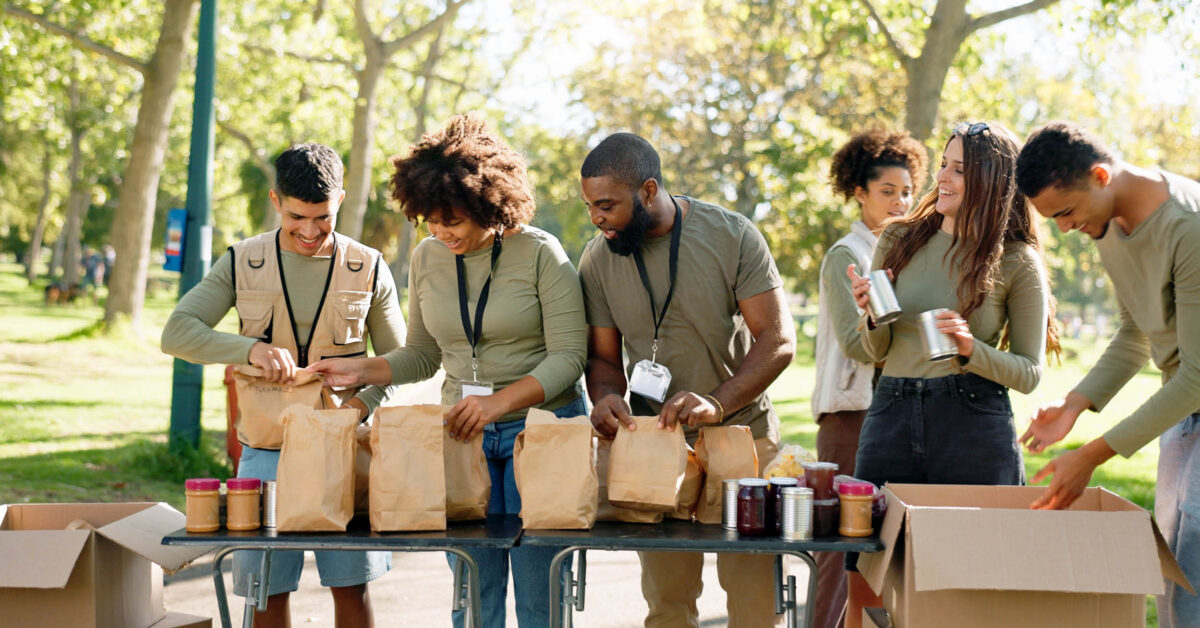
by Kristy Como Armand
In today’s fast-paced, technology-driven world, most people are more connected digitally than ever before, yet many feel increasingly disconnected from those around them.
Remote work, busy schedules, social media and fewer opportunities for face-to-face interaction have all contributed to a growing epidemic of loneliness and social isolation. In fact, the U.S. Surgeon General reports that about one in two adults experiences measurable levels of loneliness, while time spent socializing with friends has declined dramatically over the past two decades.
One of the most effective ways to reverse that trend may be surprisingly simple: volunteering.
Whether serving meals at a food pantry, mentoring a young person, assisting at community events or supporting a local nonprofit, volunteering creates opportunities for meaningful connection while making a positive impact in the community.
“Humans are wired for connection,” says Keri Forbess-McCorquodale, MS, LPC-S, LMFT, CEAP, president of Solutions Counseling & EAP. “One of the greatest benefits of volunteering is it brings people together around a shared purpose. Those relationships can help reduce feelings of isolation and increase a person’s sense of belonging.”
She explains that social wellness refers to the quality of our relationships and our ability to build supportive connections with others. According to the Surgeon General’s Advisory on Social Connection, strong relationships are associated with better mental and physical health, while social isolation increases the risk of heart disease by 29%, stroke by 32% and premature death by nearly 30%.
For many adults, especially those balancing demanding careers and family responsibilities, opportunities to build new friendships can become increasingly limited. Volunteering offers a natural way to expand social circles while engaging in meaningful activities.
“When people volunteer, they’re not focused on networking or making small talk,” says Forbess-McCorquodale. “They’re working side by side to accomplish something meaningful. That shared experience often leads to authentic relationships built on common values rather than convenience.”
The benefits extend beyond friendships. Studies consistently show that volunteering can improve mood, increase self-esteem, reduce stress and foster a stronger sense of purpose. Helping others shifts attention away from daily pressures while reminding us that we are part of something larger than ourselves.
Volunteering also strengthens entire communities. Nonprofit organizations depend on volunteers to provide essential services, respond to emergencies and improve quality of life. As people become more engaged, they develop a deeper connection to the communities where they live and work.
Fortunately, making a difference doesn’t require a major time commitment. Research shows even a few hours each month can have a meaningful impact. Opportunities exist for virtually every interest and skill set, from coaching youth sports and serving on nonprofit boards to helping with community events or environmental projects.
“Many people begin volunteering because they want to make a difference for someone else,” says Forbess-McCorquodale. “What they often discover is that they receive something equally valuable in return: friendships, purpose and a stronger connection to their community.”
If feelings of loneliness or difficulty connecting with others are affecting your daily life, Solutions Counseling & EAP offers confidential counseling and resources. Call 337-310-2822 to schedule an appointment.