


Southwest Louisiana Legal Resources
August 2026
FOOTBALL GOLD: Saints – Avoiding the Sophomore Slump
August 2026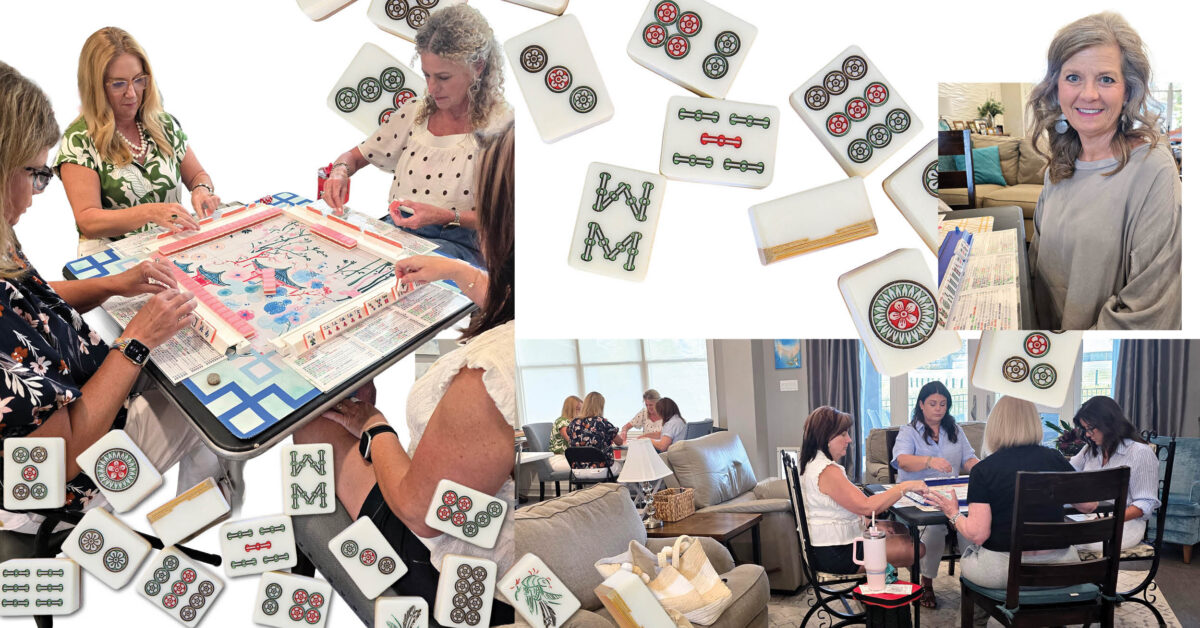
by Kerri Cooke
Ask almost anyone who plays mahjong and they will tell you once you try the game, it sucks you in and you’re never the same.
Mahjong is a traditional Chinese tile game which originated during the Qing Dynasty in the mid-nineteenth century. Described as what you would get if you combined traditional card games and dominos, mahjong is a game of strategy and skill.
Mahjong is named for the sound the tiles make when shuffled. Meaning ‘sparrow,’ you will find many references to the natural world in the game including wind, bamboo and flowers. The dragon, perhaps the most recognizable symbol from Chinese culture, makes an appearance as well.
Ironically, the game became vastly popular in the United States in the 1920s when Joseph Babcock learned how to play in China and sold imported mahjong kits through the company he established in California—Mah-Jongg Sales Company. Mahjong also became popular with Jewish Americans in New York City in the 1930s. Mahjong began its upward trajectory again about a hundred years after it was widely introduced to America during the COVID-19 pandemic.
Backed by the American Alzheimer’s Association due to its cognitive benefits, it’s also an opportunity to gain community as there are many mahjong groups across the country.
Local mahjong teacher, Robyn Duncan, learned how to play when she turned 40. Her mom had always played the game with her girlfriends, and Robyn was looking for a form of self-care. At that time, mahjong players were not plentiful in Southwest Louisiana. She eventually found out that the Bridge Club hosted mahjong on Mondays and played there until last year when the club was put up for sale.
Since COVID-19, mahjong’s popularity has skyrocketed. Robyn believes it’s a game that appeals to all generations in a time when we are trying to rebuild our social connections and set our minds to something other than scrolling on our phones.
Robyn is now teaching her 37th class. One of mahjong’s appeals is it’s an inexpensive hobby. (You buy a mahjong set and can sign up with the National Mah Jongg League for a card that has new hands to play each year.)
When playing you build walls two tiles deep, discard tiles in an attempt to build a hand and keep the competition on the offensive. What’s especially fun about mahjong is you can buy a set that matches your interests—much like collectible Monopoly sets. The market has table mats, tiles and racks you can mix and match.
Since mahjong is the hottest new trend, there are a growing number of people and places offering to teach the game or host games. Besides Robyn, who teaches private classes and does events such as mahjong at the Pioneer Club, Kaitlyn Sherman teaches, sometimes at The Buzz Coffee & More—McNeese location. Bayou Boards by Gabrielle hosts Mahjong Mondays and play on Fridays for $20, but you need to already know how to play the game. Gordon’s Drug Store also hosts mahjong games with its social club. Enos Derbonne Sports Complex also offers Tiles & Smiles on Wednesdays and Thursdays.