
Common SCAMS That Target Your Bank Account
October 2025
Leading Ladies In Business – Sponsored by The Chamber SWLA
October 2025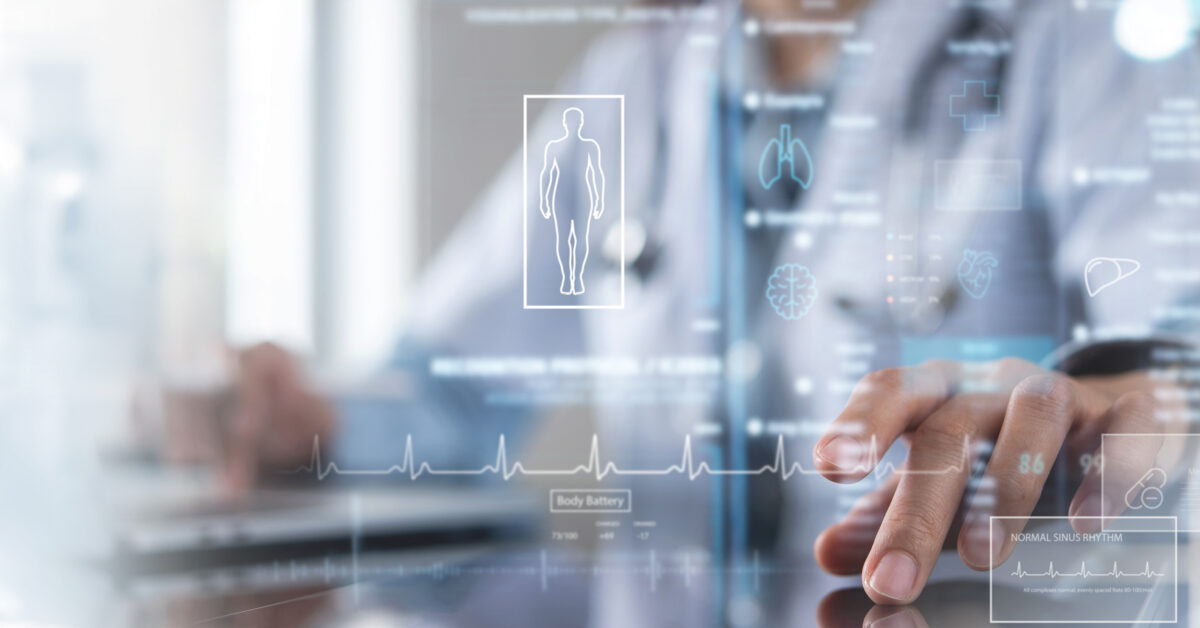
by Kerri Cooke
When it comes to your healthcare data, you expect that information to remain private and confidential. But that doesn’t mean scammers are not actively after your medical records for the details they can provide, such as social security numbers and birth dates.
Steve Stanic, chief information officer with Lake Charles Memorial Health System says, “Consumers should be especially wary of unsolicited requests [for healthcare data] because medical records are often more valuable to fraudsters than credit card numbers.”
What are some of the common scams? They often involve texts, calls or emails. Stanic says, “Scammers often pose as healthcare providers or insurance companies. Another tactic is offering free healthcare coverage or eligibility, but only if you provide sensitive data.”
The first thing you’ll want to do before exchanging information on the phone is to make sure who you’re talking to is legit. If you have no procedures, appointments or anything of that nature coming up, you should question why someone is calling you, especially since most information from an insurance provider or billing agency from a hospital comes through the mail. Stanic says, “If you receive a call, text or email from someone claiming to be affiliated with your hospital or insurance carrier, always verify by using contact information from the organization’s official website or by calling their publicly listed number. Avoid clicking links or entering personal information from unsolicited messages unless you are certain the sender is legitimate. Use only verified websites or patient portals when sharing sensitive information.”
Individuals are not alone when it comes to being targeted for scams. Hospitals also have to be on alert for scammers trying to steal data from their systems, so cybersecurity is always a top priority. Stanic says, “At Lake Charles Memorial Health System, we employ multi-factor authentication (MFA) for internal systems and for patient portals such as MyChart to help secure access. We also partner with Artic Wolf, which provides continuous monitoring 24 hours a day, 365 days a year, validating suspicious activity and helping maintain regulatory compliance. We also limit internal staff access to patient records that are not part of their approved treatment roles to reduce risk of unauthorized viewing.”
If something seems fishy, it’s always best to second guess what is going on. If a person is working for who they say they are, they won’t mind you asking them extra questions to verify they are legit. And no matter how authentic a text or email seems, do due diligence to ensure your data remains in safe hands.