


The Invisible Shield: Understanding Cybersecurity in a Connected World
October 2025
Keeping Medical Data Private: Tips from Lake Charles Memorial on How to Protect Sensitive Data
October 2025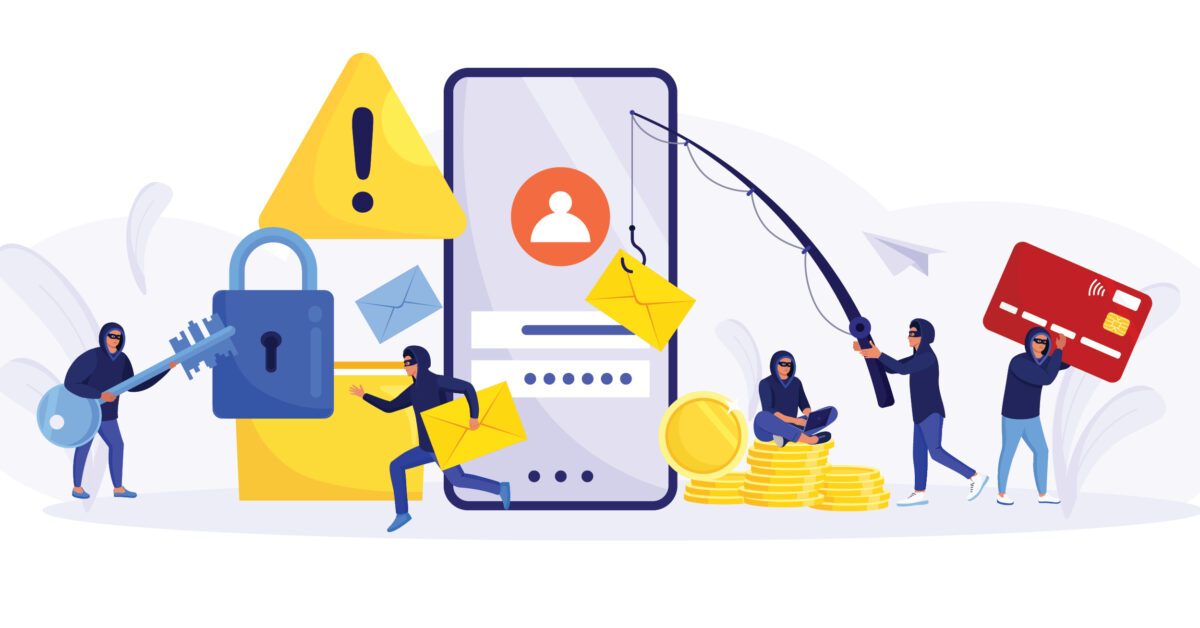
If you’ve ever received a phone call from someone claiming to be your long-lost cousin, a prince in a faraway country or the IRS demanding payment in gift cards—congratulations! You’ve met a scammer. And trust us, they’re not nearly as clever as they think they are.
First Federal Bank of Louisiana has seen plenty of financial scams come and go. But one thing stays the same—scammers are counting on you to panic, click too fast or trust too easily.
Jennifer Pugh, vice president and First Federal Bank’s security officer, says the best defense is awareness. “Scammers can seem smart, but you can be smarter. If something sounds too good to be true—or too urgent to wait—it’s probably a scam.”
The Grandparent Scam
The phone rings and the voice on the other end says, “Grandma, it’s me! I’m in trouble and need money fast.” The scammer thinks you’ll cave in to the needs of your favorite grandkid. Always ask something only your grandkid would know. Or simply hang up and call them back using their actual number.
Romance Scams
Yes, love is in the air, but so are scams. Online sweethearts may love-bomb you with compliments before asking for money to visit, pay medical bills or cover “emergencies,” but true love will never ask for your bank’s routing number.
Fake Bank or IRS Calls
“No, the IRS will not call you demanding to pay your taxes with gift cards,” says Pugh. “And your bank will never ask for your debit card number.” Always hang up and call your bank directly.
Phishing Emails and Texts
These messages may look official and even include logos, but there’s always a catch—a suspicious link. The scammer will do anything to get you to click that link so they can get access to your financial and personal information. Remember, no reputable company will ask you to verify personal details via email or text.
“Scammers don’t discriminate,” adds Pugh. “They’ll try their tricks on any age and any range of experience with tech.” Most people may not realize that scammers tend to work in teams, not solo. They share scripts, test what works and even hold meetings to trade tips. They think they have a better chance with a united front against consumers.
While many scammers come from overseas, plenty originate right here in the U.S. In fact, scammers often research their victims first. They may know your name, your city or even where your kids go to school. “It’s not about being gullible; it’s about being human,” says Pugh. “Scammers exploit emotions like fear, love and urgency. That’s why awareness is key.”
Ways to Protect Yourself
Slow down. “Scammers want you to feel rushed so you’ll make quick decisions,” offers Pugh. “Take a breath before you react.”
Verify. If you get a call, text or email, don’t use the number or link provided. Look up the official contact information yourself.
Guard your info. Treat your account numbers like your toothbrush and don’t share them. If you’ve been compromised, contact your bank immediately.
Talk about it. “It’s important to share scam stories with friends and family,” says Pugh. “It helps spread information. If you’ve been targeted, others likely have, too.”
If you think you’ve been the victim of a scam, contact your bank immediately.
For more information on scams, visit www.ffbla.bank/online-security.