



Family Works: Chicken Salad Chick
August 2026
Proper Styling & Products are Key to Great Game Day Hair
August 2026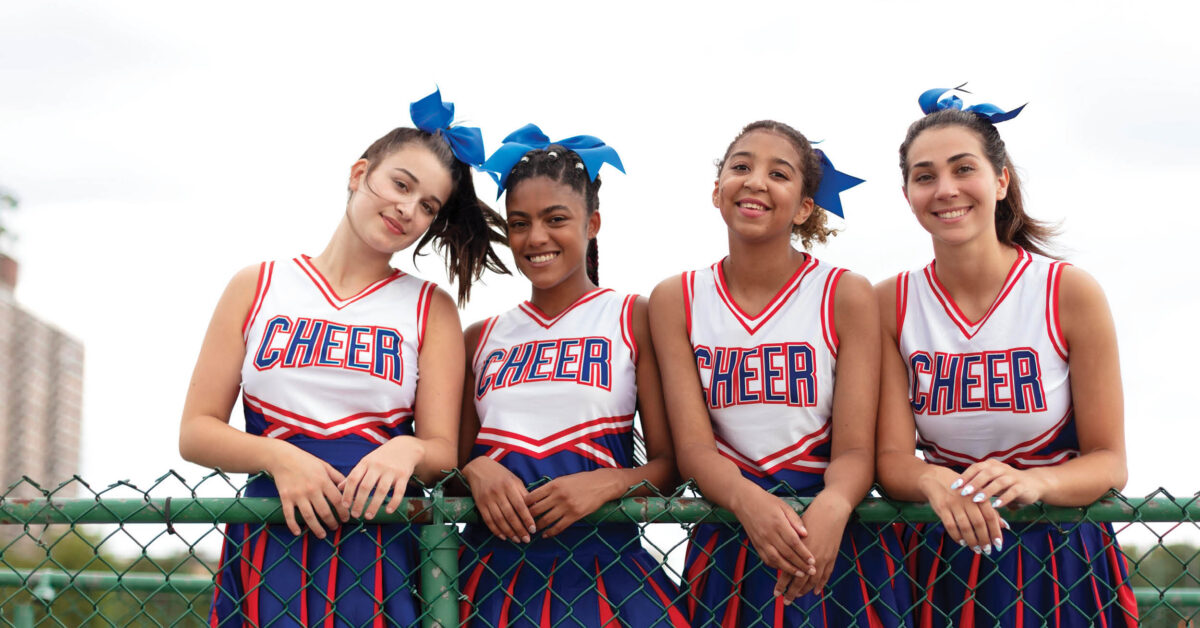
by Kristy Como Armand
Today’s cheerleaders are athletes in every sense of the word.
They train year-round, build strength and endurance, and perform demanding stunts, tumbling passes and aerial skills that require precision and teamwork. While the sport has evolved dramatically, so have the risks that come with it.
Although most cheerleading injuries are relatively minor, the sport continues to account for a significant number of emergency room visits each year. According to the U.S. Consumer Product Safety Commission, tens of thousands of cheerleading-related injuries are treated annually. Research also shows that cheerleading has one of the highest rates of catastrophic injuries among girls’ high school sports, largely because of the complex stunts and partner skills involved.
“Cheerleading today requires the same level of athleticism as many traditional sports,” says Alex Anderson, MD, primary care sports medicine specialist at the Center for Orthopaedics. “Athletes need strength, flexibility, coordination and proper training to perform safely.”
Most injuries involve sprains, strains, bruises and fractures, but concussions and more serious head, neck and spine injuries can occur, particularly during stunts, basket tosses and tumbling. Dr. Anderson says the increasing difficulty of routines and the growth of competitive cheer have raised the importance of injury prevention.
“Many athletes now participate in school cheer, all-star programs or competitive teams that train throughout the year,” he says. “As skills become more advanced, proper coaching and safety practices become even more important.”
Fortunately, many injuries are preventable. Dr. Anderson says successful injury prevention starts with qualified coaching, progressive skill development and adherence to established safety guidelines.
Parents should also take an active role by asking questions before the season begins. Find out whether coaches are properly trained and certified, whether spotters are used during advanced stunts, what emergency plans are in place and whether athletes practice on appropriate padded surfaces.
Cheer athletes can reduce their injury risk by:
• Building strength, flexibility and conditioning
before attempting advanced skills.
• Mastering basic techniques before
progressing to more difficult stunts.
• Always using trained spotters during partner
stunts and pyramids.
• Practicing on appropriate surfaces with
properly maintained equipment.
Reporting pain, dizziness or possible concussion symptoms immediately rather than trying to “push through” an injury.
“No sport is completely free of risk,” says Dr. Anderson. “But when athletes, coaches and parents all make safety a priority, many injuries can be avoided, allowing cheerleaders to perform with greater confidence.”
As cheerleading continues to grow as a competitive athletic sport, the focus should remain on developing skills safely so athletes can enjoy the physical, social and competitive benefits while minimizing the risk of serious injury.
For more information on sports injury prevention, visit centerforortho.com.