


MONTHLY MADE: Jonathan Thomas – Bromethius Workshop
September 2026
CELEBRATING THE ARTS: ACTS Theatre’s New Season Displays the Importance of Community
September 2026
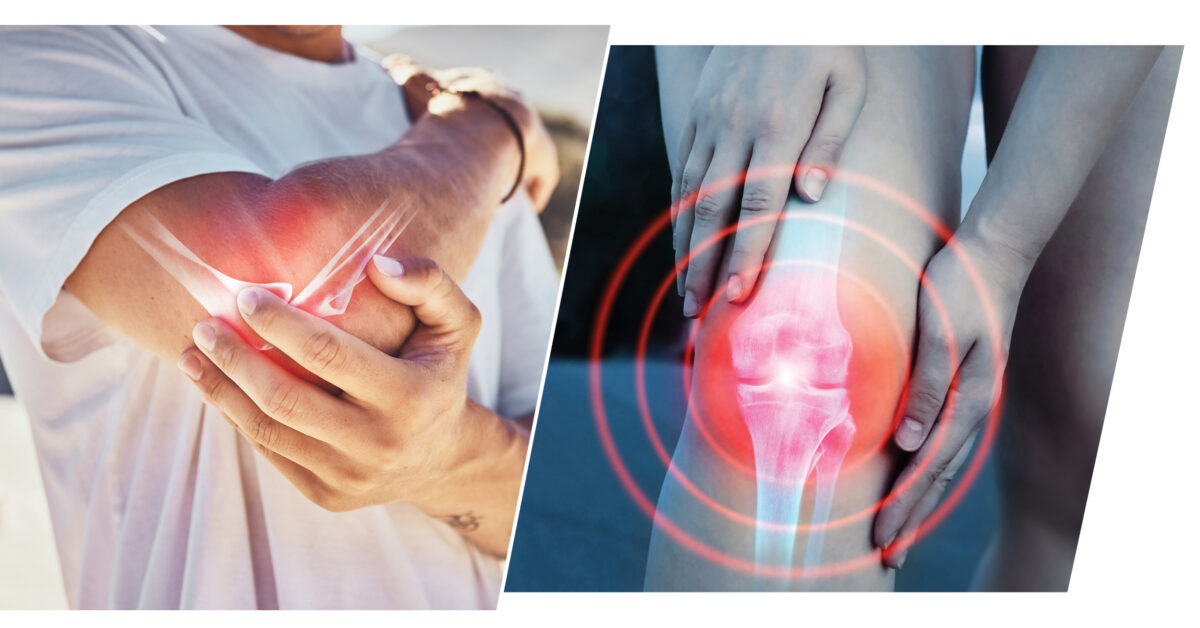
Muscle activation gets to the root cause of the problem in the body by finding the source of the pain and correcting the issue.
It utilizes a non-invasive approach of identifying muscle weakness, neuro-messaging deficits and muscle contractile deficiencies, which lead to compensatory patterns that can result in pain, tightness and injury.
The goal of muscle activation is to find which muscles are not contracting efficiently, identify the missing links and create a stable muscle system. A stable muscle system creates an environment for healing and pain prevention.
Our bodies are great compensators, and when a group of muscles is not contracting appropriately or is unstable, another group of muscles will step in to bear the brunt of the load. For a while our bodies can withstand the unbalanced load, but eventually the body will begin to break down, with resultant pain and often tightness.
Routinely when an individual presents with pain in a certain area of their body, that area is most commonly treated with stretching, modalities and various pain regiments. If the compensatory patterns persist, pain will return or be exacerbated because the weakness or instability contributing to the pain is somewhere else in the body (muscles not contracting efficiently). Muscle activation is unique because it will assess the entire musculoskeletal system, starting from the feet to the cervical spine, not just the painful area.
Snap Fitness often witnesses a return in pain in clients when the individual resumes their previous activities because the body requires a stable muscle system to move, perform and work. Muscles contracting efficiently are vital to human motion.
Compensatory patterns can be easily overlooked and require an extensive evaluation of the entire muscle system, because, for example, knee pain may be originating from weak and specific unstable back or hip muscles. Piriformis syndrome is another example that is often a consequence of specific unstable hip muscles. Plantar fasciitis may be a result of a host of spinal muscle instability.
Once the deficits in neuro messaging and contractile deficiencies are identified, then begins the process of improving muscle weakness with palpations of tendon insertions to jumpstart tissue, followed by positional exercises and isometric exercises. The goal in pain reduction is to improve muscle downloading and the speed of contractions. Once the system is stable and firing, Snap Fitness incorporates a purposeful strengthening program, which means one should begin with exercises that will promote specific muscle activation and pinpoint muscles that are not firing appropriately.
Individuals want to do “fun and creative” exercises in the gym, but what they need to do is learn how to train to promote optimal neuro messaging, which will increase stability, mobility, balance and strength. This will prevent compensatory issues, muscle overloading and, in turn, reduce or prevent pain.
For more information on Snap Fitness, call 337-478-4525.