


A Craft Passed Down: Lake Charles Poultry
June 2026
Treat Dad to Menswear on Father’s Day – Gaidry’s Offers a Wide Selection
June 2026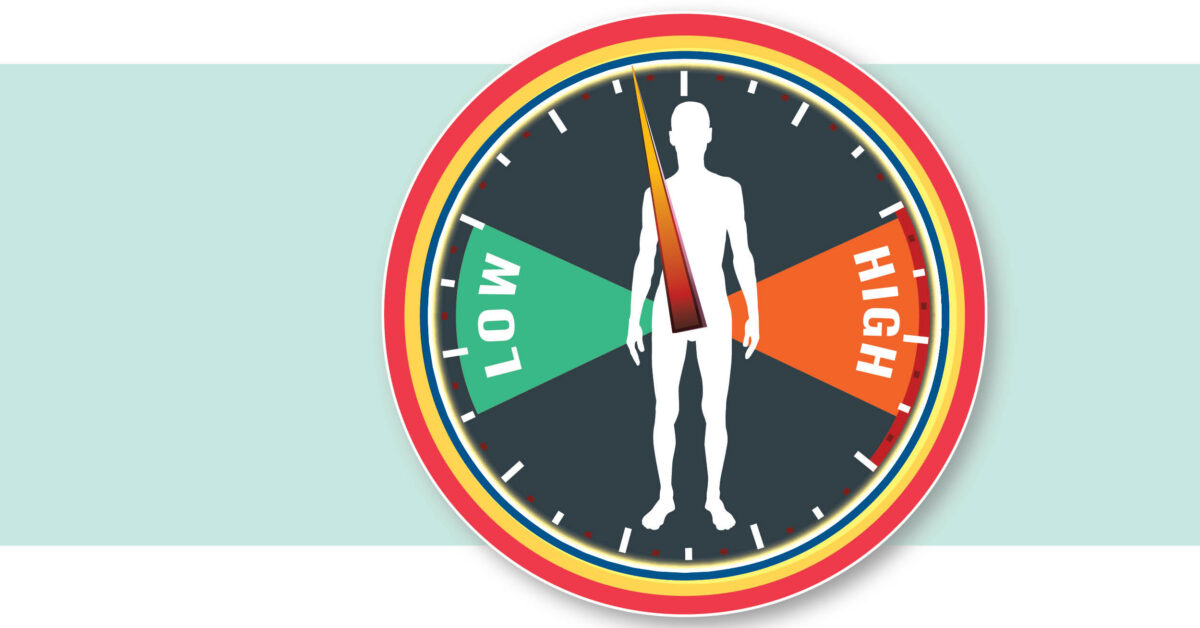
For Men’s Health Month, it is time to spotlight a hormone that influences nearly every aspect of a man’s well-being: testosterone.
While it is often reduced to stereotypes about masculinity or sexual performance, testosterone is far more complex and far more essential than most men realize.
What Is Testosterone?
Testosterone is the primary male sex hormone, produced mainly in the testes and to a lesser degree in the adrenal glands. It begins shaping the male body before birth, surges during puberty, and continues to influence physical, mental and metabolic health throughout adulthood.
It acts through androgen receptors, which are found in all organs including the brain, bones, muscles, heart and reproductive system. This widespread receptor network explains why testosterone affects so many aspects of health.
What Testosterone Does for Men
Healthy testosterone levels support:
• Sexual health including libido, erectile function and sperm production
• Muscle mass and strength
• Bone density
• Mood stability and cognitive function
• Energy levels and motivation
• Fat distribution and metabolic health
• Red blood cell production • Increased nitric oxide production, which supports healthy blood flow
• Protection of endothelial tissue, which helps maintain vascular health
When testosterone is optimal, men often describe feeling sharper, stronger, more confident and more resilient.
What Testosterone Protects
Research continues to show that testosterone plays a protective role in several major health domains:
• Cardiovascular health: Low testosterone is linked with higher rates of coronary artery disease.
• Bone health: Testosterone deficiency is a major risk factor for osteoporosis in men.
• Metabolic health: Low levels correlate with diabetes, insulin resistance and obesity.
• Mental health: Depression, anxiety and mood changes with low testosterone frequently coexist.
• Prostate health: Contrary to old myths, low testosterone rather than high testosterone is associated with more aggressive prostate cancer.
• Blood health: Testosterone supports red blood cell production, and deficiency can contributeto anemia.
• Fertility: Adequate testosterone is essential for sperm production and reproductive function.
In short, testosterone is not just a sex hormone.
It is a whole-body health hormone.
Long Term Effects of Testosterone Deficiency
When testosterone remains low for years, the consequences can be significant:
• Loss of muscle mass and strength
• Increased body fat, especially visceral fat
• Higher risk of Type 2 diabetes and insulin resistance
• Osteoporosis and fractures
• Worsening cardiovascular risk or increased risk of cardiovascular disease
• Cognitive decline
• Depression, irritability and low motivation
• Decreased libido and erectile dysfunction
• Reduced fertility
• Increased overall mortality risk
Low testosterone can negatively affect a man’s mental, physical and sexual health at the same time.
Testosterone as a Barometer of a Man’s Overall Health
Despite its importance, testosterone is not included in age-based screening recommendations for men even though:
• Low testosterone is associated with cardiovascular disease, osteoporosis, diabetes, obesity, prostate cancer, and depression.
• Testosterone levels often reflect a man’s metabolic and cardiovascular health more accurately than many standard screening tests.
• Men over forty frequently experience declining levels without realizing it.
Trained clinicians now view testosterone as a global health indicator, a vital sign that reflects how well the body is functioning.
What Is the Right Testosterone Level?
There is no single perfect number. Treatment must be individualized.
Testosterone levels vary widely between individuals.
What matters most is:
• Symptoms
• Free and total testosterone levels
• Overall health and the process of reversing comorbidities
• How a man feels and functions
Screening Recommendations
While guidelines vary, many experts suggest that men over age forty, especially those with symptoms, should be screened for low testosterone. Symptoms may include:
• Low libido
• Fatigue
• Mood changes
• Weight gain
• Loss of muscle
• Erectile dysfunction
• Poor sleep
• Brain fog
A simple blood test can provide clarity. If you have concerns about symptoms or hormone levels, it is important to speak with a qualified healthcare professional who can evaluate your situation and guide appropriate next steps.
Treatment Options for Low Testosterone
If a man is diagnosed with testosterone deficiency, several treatment options exist including injections, topical creams or gels, oral, or subcutaneous pellets. The right choice depends on lifestyle, preference and medical history. Treatment should always be managed by a trained healthcare professional who can monitor levels, symptoms, and safety.
The Bottom Line
Testosterone is far more than a hormone tied to masculinity. It is a critical marker of men’s overall health. Low levels can signal deeper issues and contribute to long-term health risks that affect quality of life and longevity.
For Men’s Health Month, encourage the men in your life, or yourself, to take testosterone seriously. Screening is simple. Treatment is accessible. The benefits can be LIFE SAVING!
For more information, call Revitalized Health at 337-214-0097.