


Monthly Made: Bespoke Hat Shop
October 2026
Reclaiming Normal During and After Breast Cancer: How Therapy Helps Pain and Agility
October 2026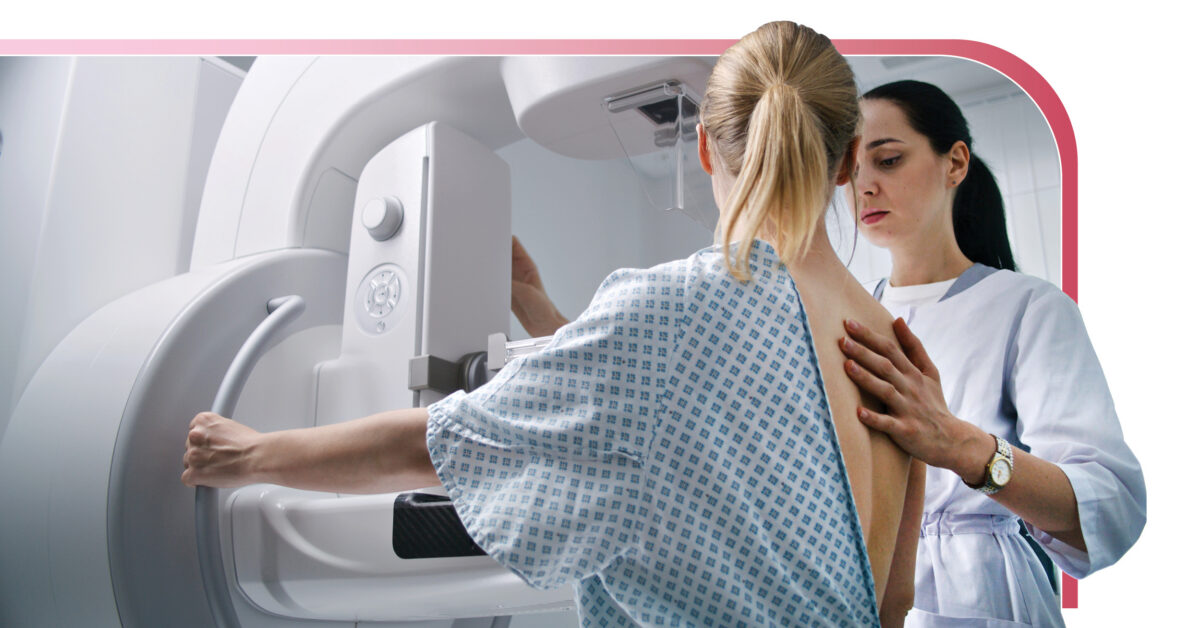
The call after an abnormal mammogram can bring a rush of questions: What did they find? Do I need a biopsy? How long will I have to wait?
At Lake Charles Memorial, patients whose mammograms show suspicious findings do not have to navigate what comes next alone. Memorial’s breast biopsy protocol connects patients with a coordinated team that begins moving their care forward, almost immediately.
Although the word “protocol” may sound clinical or impersonal, the purpose behind it is human: to make sure every patient is contacted, cared for and guided through every next step.
When a mammogram shows a suspicious finding and requires a biopsy, the patient is placed into a coordinated pathway. Instead of waiting for new orders to pass between medical offices, Dr. Amanda Ellington, breast surgeon at Lake Charles Memorial, reviews the imaging and orders what is needed. A nurse navigator then contacts the patient to arrange the biopsy, explain what to expect and answer questions.
Memorial’s breast cancer protocol was developed in response to patient feedback. Patients were arriving at Dr. Ellington’s office after waiting four or five weeks for a biopsy. By then, they were not only worried about the possibility of breast cancer. They were frustrated and exhausted from trying to understand the process.
“I heard for years that the waiting and anxiety of not knowing what is next was the worst part of the process.” Dr. Ellington said. “Waiting was wearing on patients.”
After implementing the protocol, there was a noticeable improvement in patients getting their biopsies faster.
Today, patients generally move from their abnormal mammogram to the procedure within two weeks. Circumstances such as travel, medications or insurance requirements can affect that timing. Still, the team’s goal is to prevent avoidable delays and help patients reach answers sooner.
“Time to biopsy matters, but so does the way patients are treated along the way,” states Dr. Ellington.
Behind the protocol is a connected team that includes Dr. Ellington, interventional radiologists and surgical and radiology nurse navigators. Their calls are not appointment reminders. Navigators explain when the biopsy will take place, how to prepare, what the procedure may feel like and when results may be available.
“We’re not wanting to just check a box and say we called a patient,” Dr. Ellington said. “We want to call them with meaningful information and a plan.”
After the biopsy, patients are offered follow-up with Dr. Ellington to discuss their results and what comes next. Even when the finding is not cancer, a patient may benefit from an examination, risk assessment and monitoring.
That combination of personal guidance and behind-the-scenes coordination is what allows the protocol to work. Its structure moves the steps forward, while its people provide reassurance, information and care.
“Patients need the right information to feel safe and confident about what’s happening,” Dr. Ellington said. “Our job as healthcare providers is to provide that information and guidance.”
A protocol may sound like a set of automatic steps. At Memorial, those steps are designed to lead each patient to something much more personal: a knowledgeable voice, a clear plan and a team that will stay with them throughout their journey.